


Quantifying the Value - Justifying the "Eco-Premium" in Sustainable Tableware Procurement
Beyond Unit Price: Quantifying the Return on Investment (ROI) of Sustainable Cutlery for Compliance and Risk Mitigation

In a B2B environment, procurement decisions are driven by total cost of ownership, not just unit price. While sustainable bagasse and PLA/CPLA disposables carry a higher initial cost than traditional petroleum-based plastics, this "eco-premium" is a strategic investment that generates quantifiable returns in regulatory compliance, risk mitigation, and brand equity. This article breaks down the technical reasons for the price differential and provides a framework for justifying the investment to stakeholders.
1. Technical Cost Structure: The True Expense of Sustainable Materials
The primary drivers of the cost differential lie in raw material sourcing and the specialized manufacturing required to achieve sustainable performance.
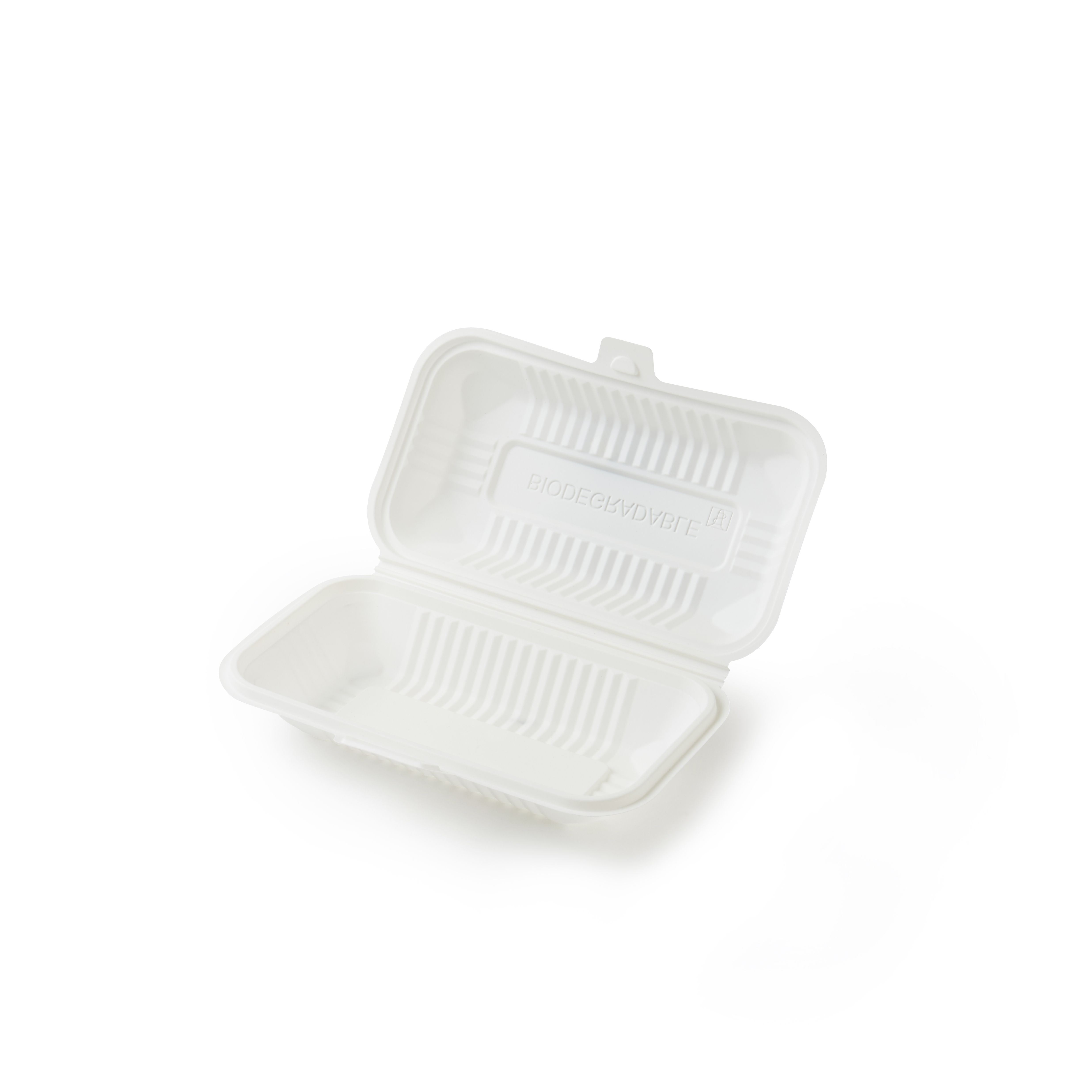
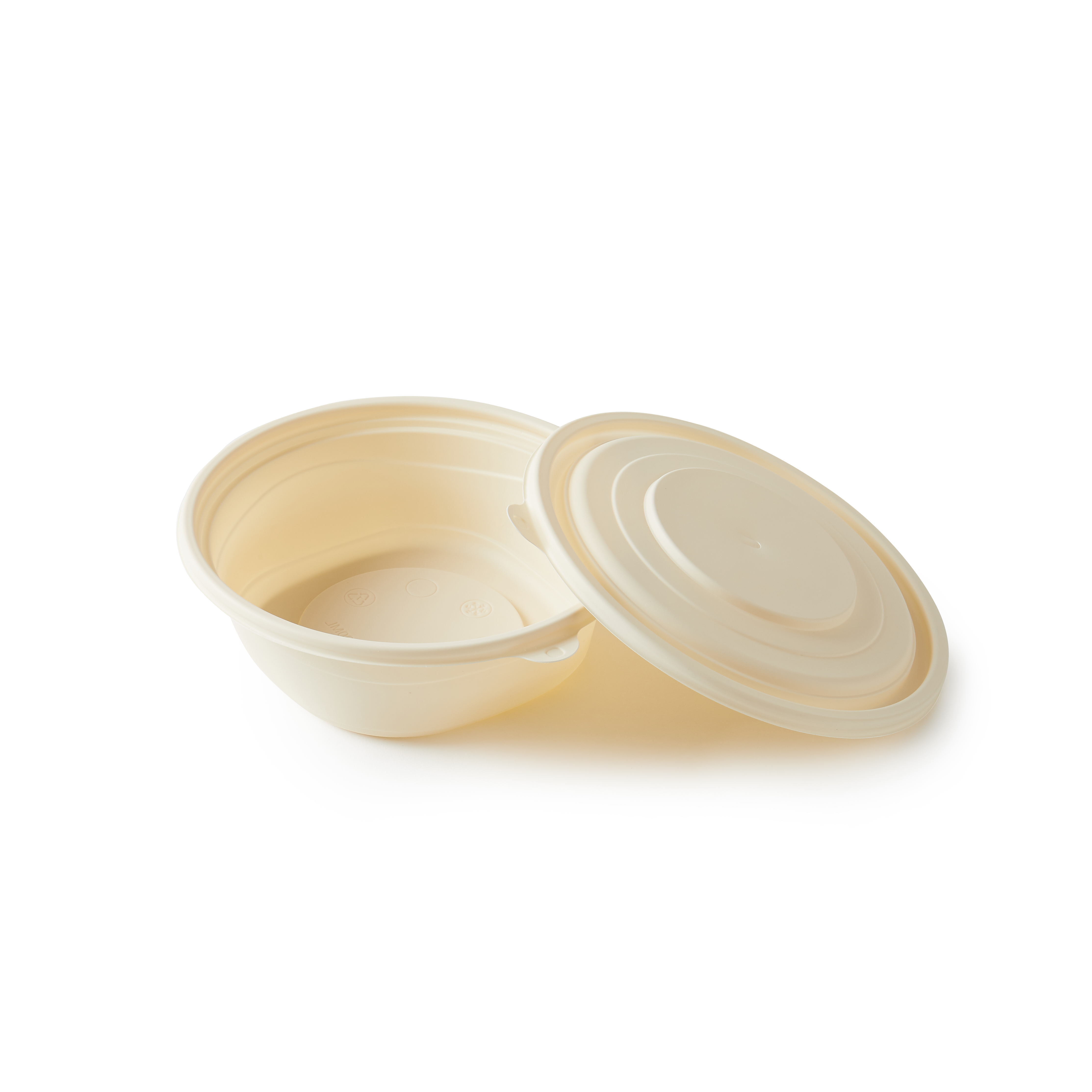
Raw Material Premium
Bio-based feedstock (such as high-grade corn starch for PLA) is inherently more complex and costly to refine than widely available, mature petrochemical polymers (like PP or PS).
Data Point: The market price for high-quality PLA resin is typically 30% to 40% higher than that of conventional commodity polyolefins, reflecting the complexity of biomass fermentation and purification.
Specialized Manufacturing & R&D
Producing high-performance materials like CPLA requires energy-intensive crystallization technology to achieve heat resistance. Similarly, manufacturing PFAS-free bagasse requires specialized, proprietary natural barrier coatings and high-pressure molding, increasing production complexity.
Compliance and Certification Costs
Achieving global compliance (BPI, OK Compost, FDA) involves rigorous, ongoing third-party testing, audits, and licensing fees. These high barriers to entry ensure product quality but are integrated into the final cost.

2. Quantifying the ROI: Risk Mitigation and Regulatory Avoidance
The "eco-premium" is not merely an environmental fee; it is a strategic payment for regulatory de-risking and liability avoidance, particularly critical in the European and North American markets.
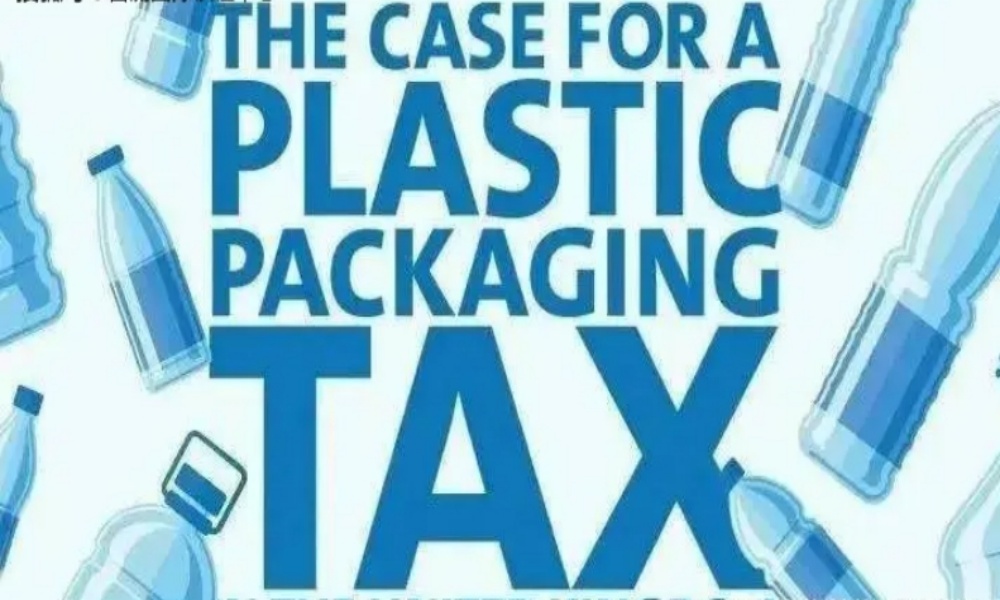
Averting the Plastic Tax
The European Union and several member states have implemented or are planning taxes on non-recycled plastic packaging. By investing in certified compostable (Bagasse/PLA/CPLA) or high-recyclability (PET) materials, companies can effectively avoid or significantly reduce their exposure to these taxes and fees.
Extended Producer Responsibility (EPR) Cost Shifting
EPR schemes hold manufacturers and importers financially responsible for the end-of-life management of their products. Non-recyclable or non-compostable products often incur the highest EPR fees.
Strategic Advantage: Investing in certified, readily compostable materials shifts the responsibility away from complex, costly waste management streams, generating long-term savings in EPR liabilities. This translates the "eco-premium" into a quantifiable liability reduction.
Brand Value and Consumer Loyalty
Studies show that consumers—especially in key EU and US demographics—are willing to pay a premium for brands demonstrably committed to sustainability. Using certified eco-friendly packaging reinforces brand loyalty and market differentiation.
3. Optimized Sourcing Strategy: Controlling the Premium
Through optimized supply chain management and manufacturing efficiencies, we strive to make the transition to sustainable products economically viable.
| Strategy | Implementation | Impact on Cost |
|---|---|---|
| Cost Efficiency Benchmark | While the raw material cost is higher, our large-scale production volume and lean manufacturing processes allow us to contain the final price increase. | Our analysis shows our overall eco-premium averages 15% to 20% over commodity plastic equivalents—a figure controlled below the industry average. |
| Mitigating Price Volatility | PLA and starch-based feedstock can be subject to commodity price swings. To protect our B2B clients, we offer long-term fixed-price contracts. | This strategy allows clients to lock in pricing and budget effectively, hedging against the inherent volatility of bio-based materials and ensuring budget stability. |
| Supplier Partnership & Transparency | We provide transparency on cost breakdown, demonstrating where the premium is invested (e.g., in sustainable sourcing, high-grade certification, and PFAS-free technology). | Transforms a price discussion into a value proposition discussion, building trust and long-term partnership. |
Conclusion: The Eco-Premium as a Strategic Investment
The decision to invest in sustainable tableware should be evaluated not as a simple cost increase, but as a strategic procurement choice with a measurable return on investment. The premium pays for:
- Regulatory Compliance: Avoiding plastic taxes and reducing EPR fees.
- Risk Mitigation: Shielding the brand from regulatory penalties and negative consumer perception associated with non-sustainable packaging.
- Brand Enhancement: Strengthening market position and customer loyalty in an increasingly eco-conscious marketplace.
- Supply Chain Stability: Gained through fixed-price contracts and transparent partnerships.
By framing the conversation around total value—encompassing compliance savings, risk reduction, and brand equity—B2B buyers can confidently justify the eco-premium as a smart, forward-looking business decision.